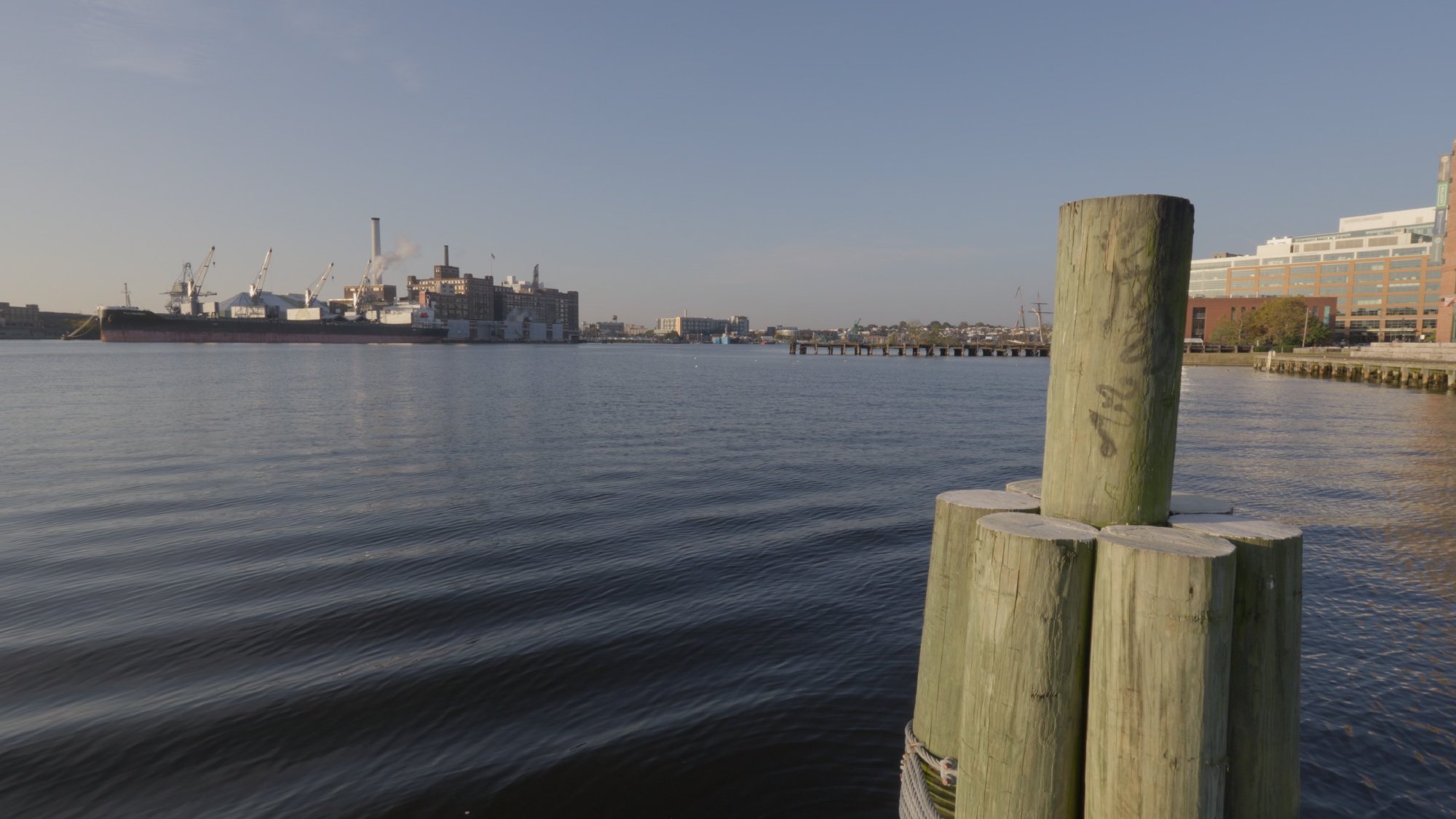
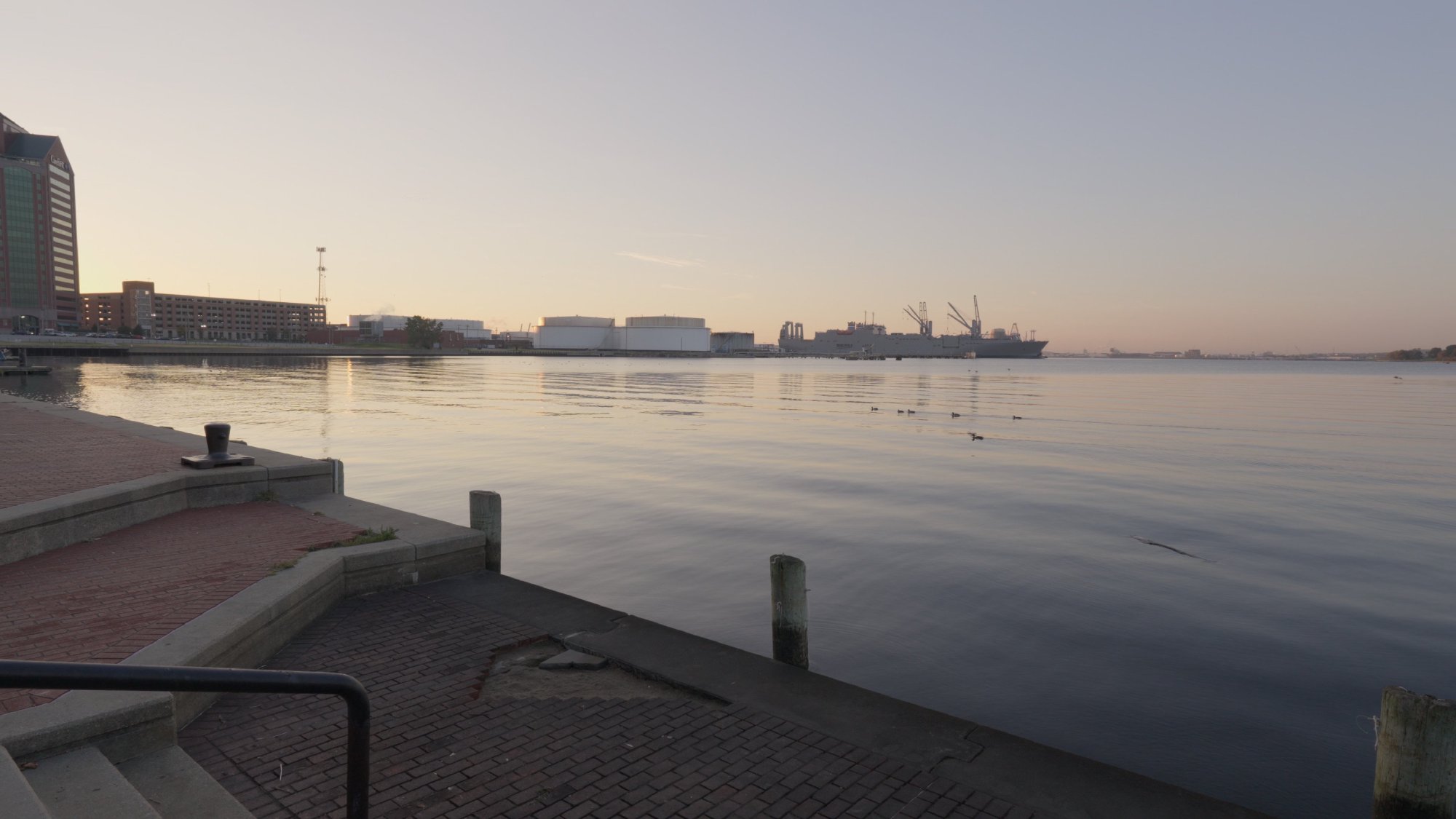
This walk follows the Baltimore Waterfront Promenade west along the Northwest Harbor, from Canton Waterfront Park to Broadway Pier in Fells Point. It starts next to the Canton Railroad Transfer Bridge and passes marinas, waterfront condos, and former factories before reaching the Belgian block streets of Fells Point, one of Baltimore’s oldest neighborhoods.
- Distance
- 1.7 mi
- Elevation gain
- 64 ft
- Route
- Point to point
Difficulty: Easy
The walk#
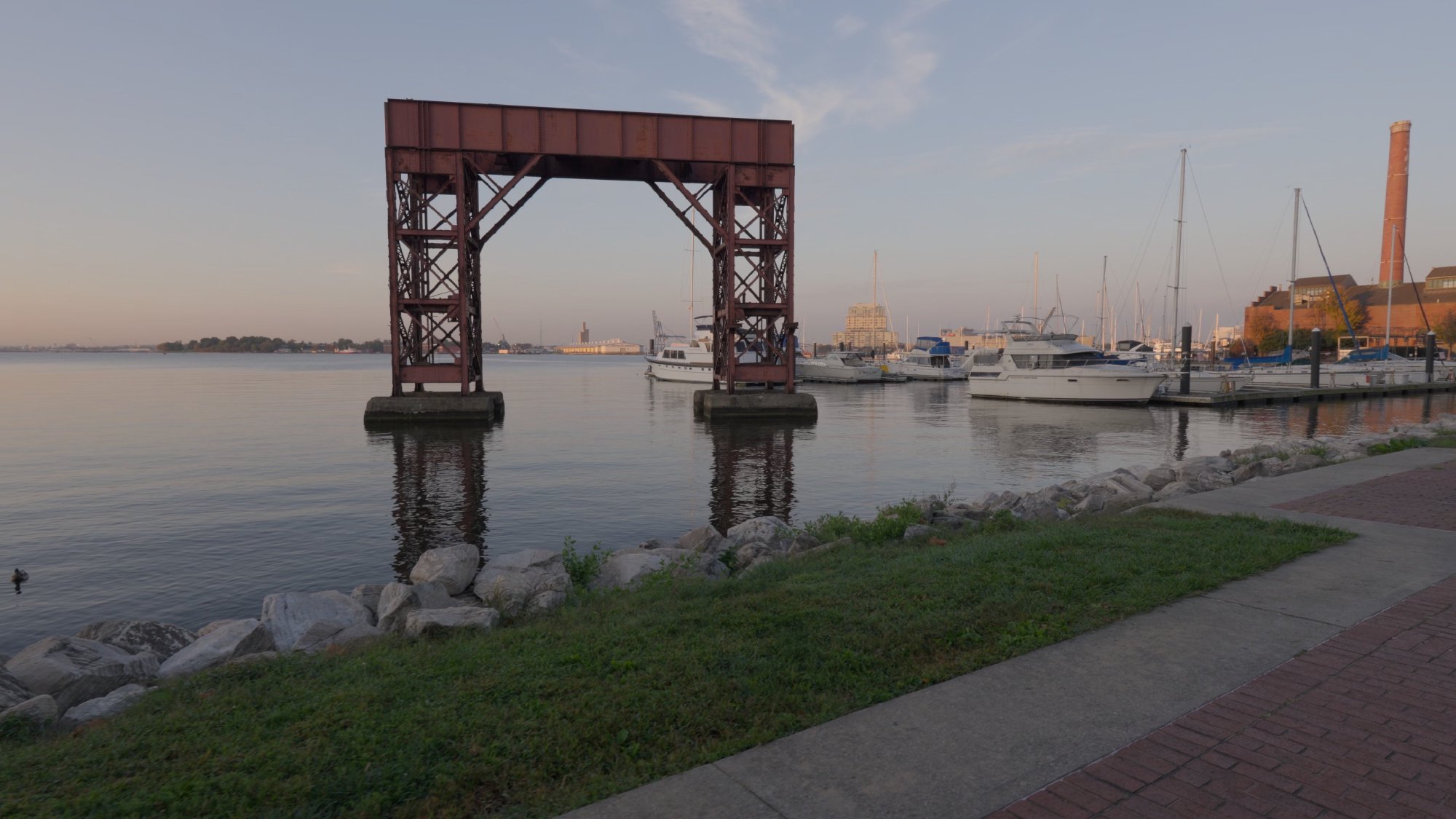
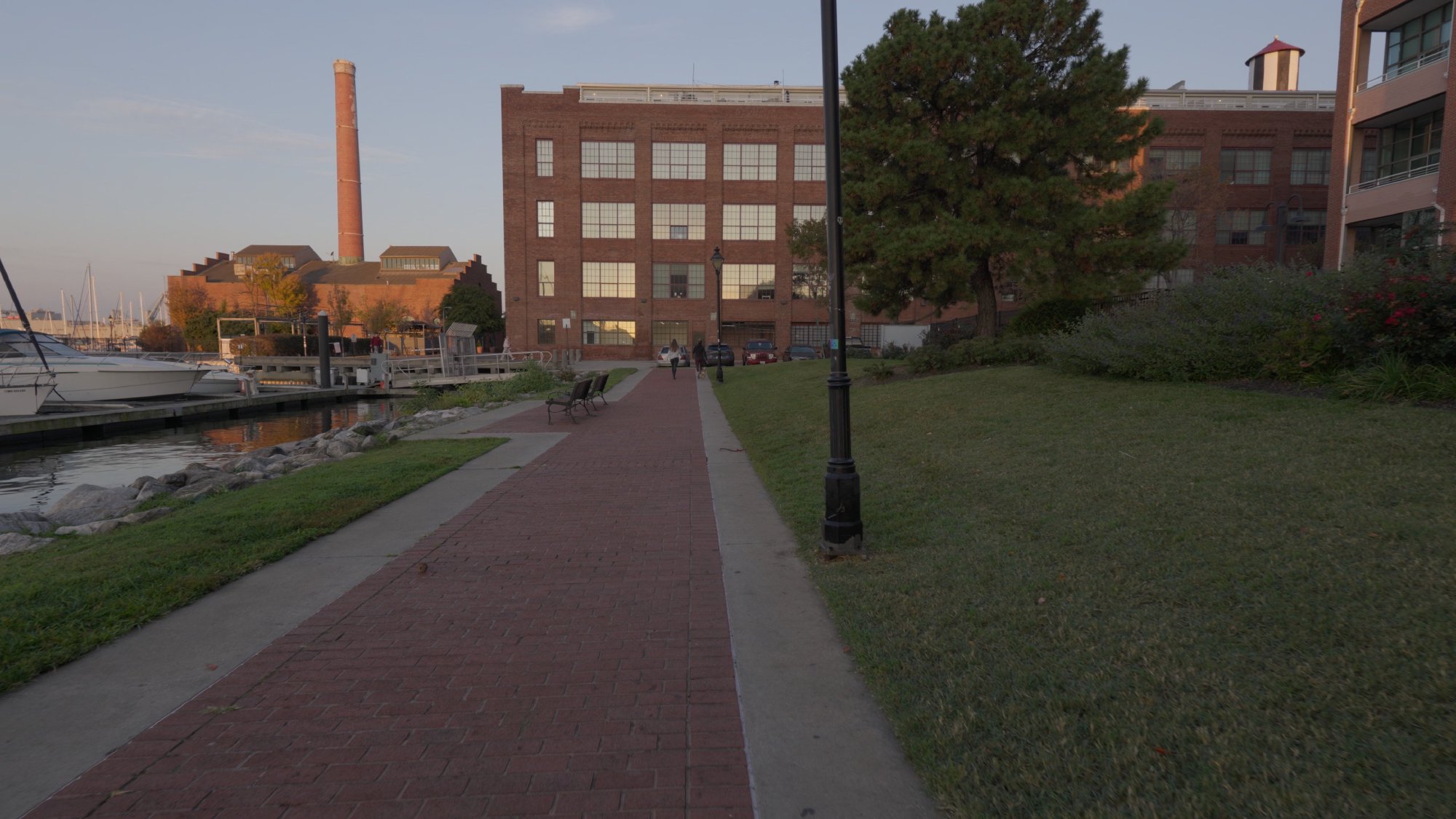
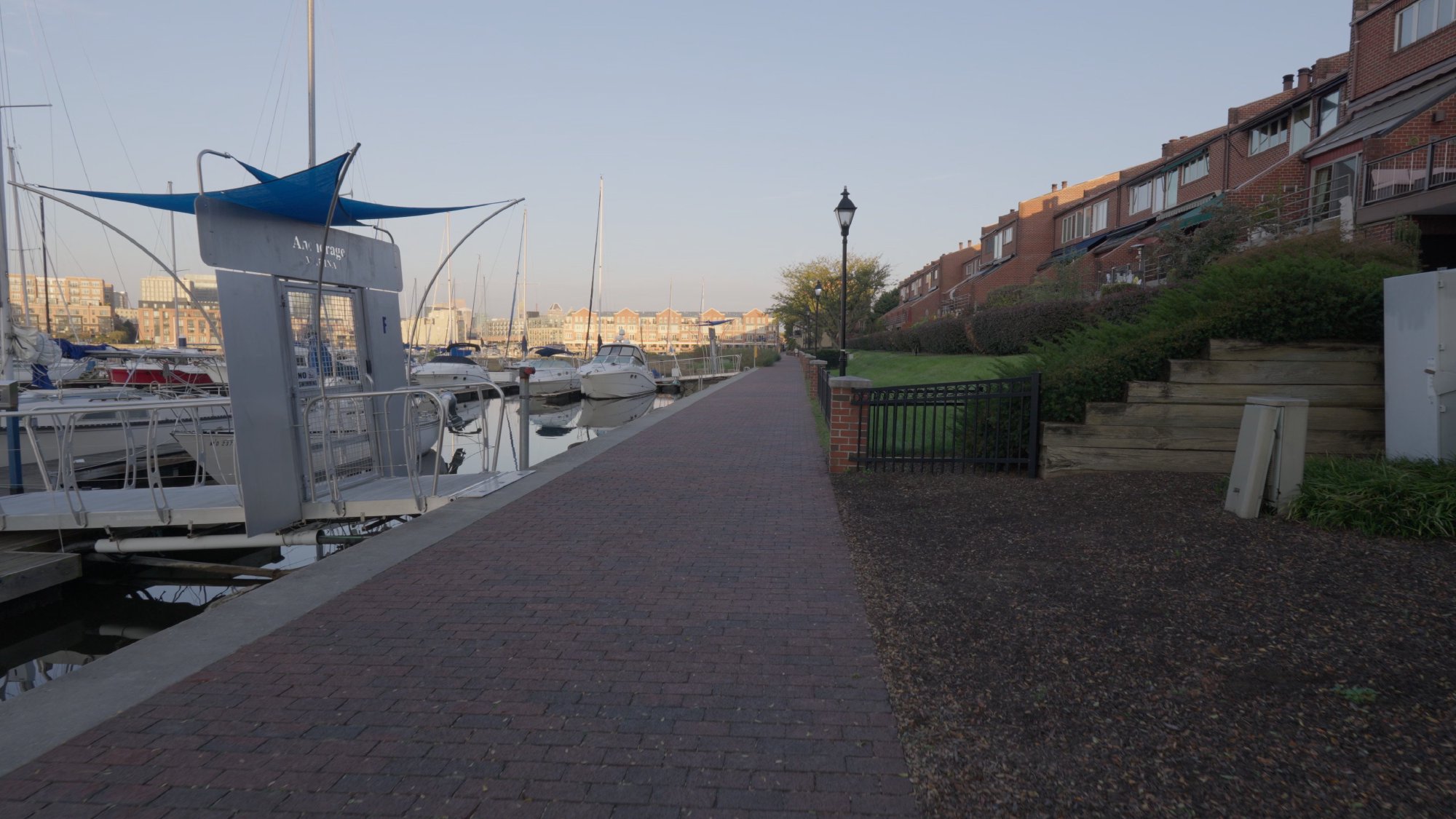
Start at Canton Waterfront Park on Boston Street, where the red steel frame of the Canton Railroad Transfer Bridge rises out of the water beside the marina. Head west on the promenade, which runs along the water in front of the marinas and waterfront condos of Canton. Tindeco Wharf, a former tin factory, is just inland in the first quarter mile.
The promenade winds in and out around the piers and inlets. Due to construction, just past the half-mile mark there’s a detour to the sidewalk along Boston Street, then turns back toward the harbor at Anchorage Promenade Park.
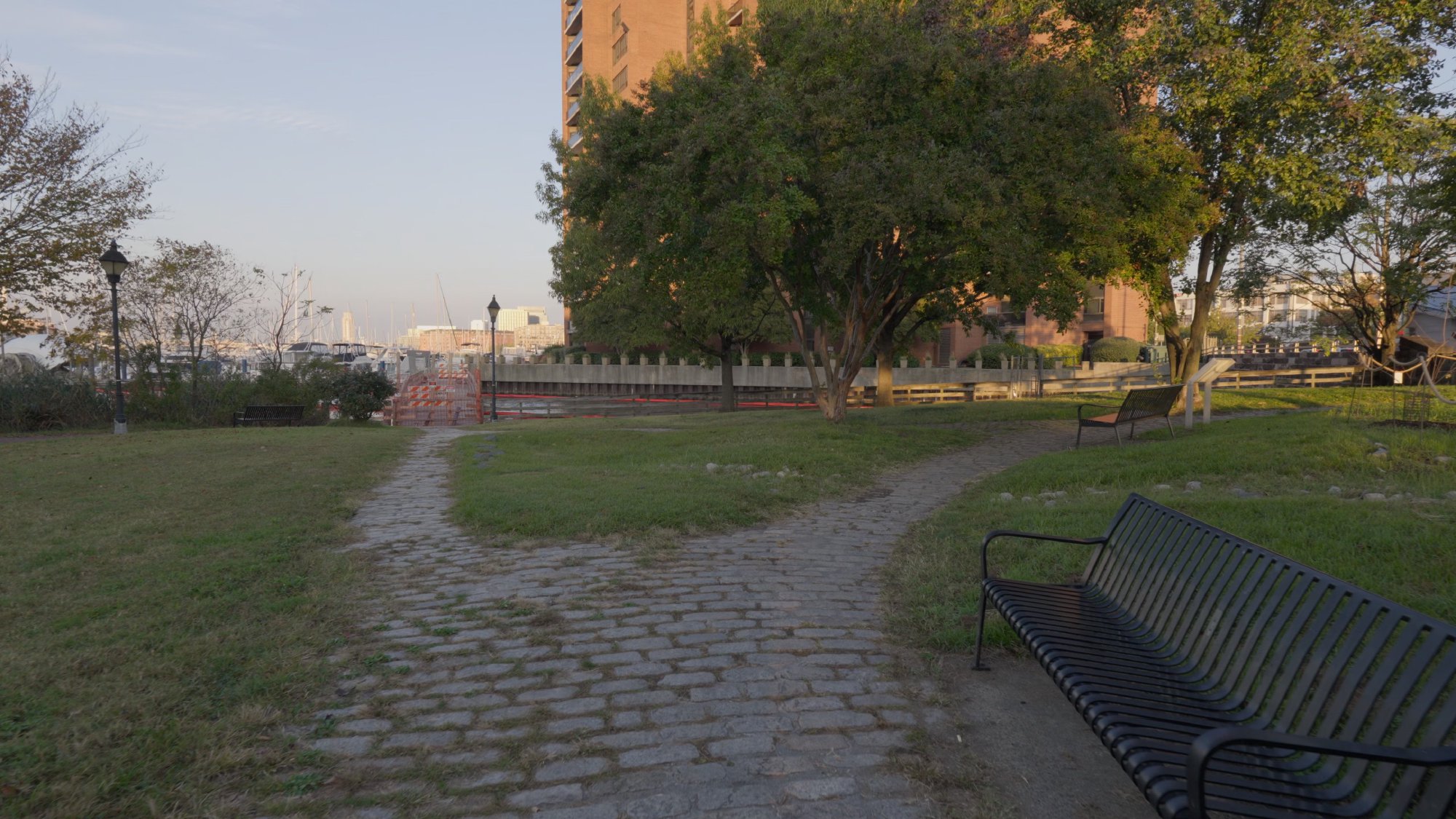
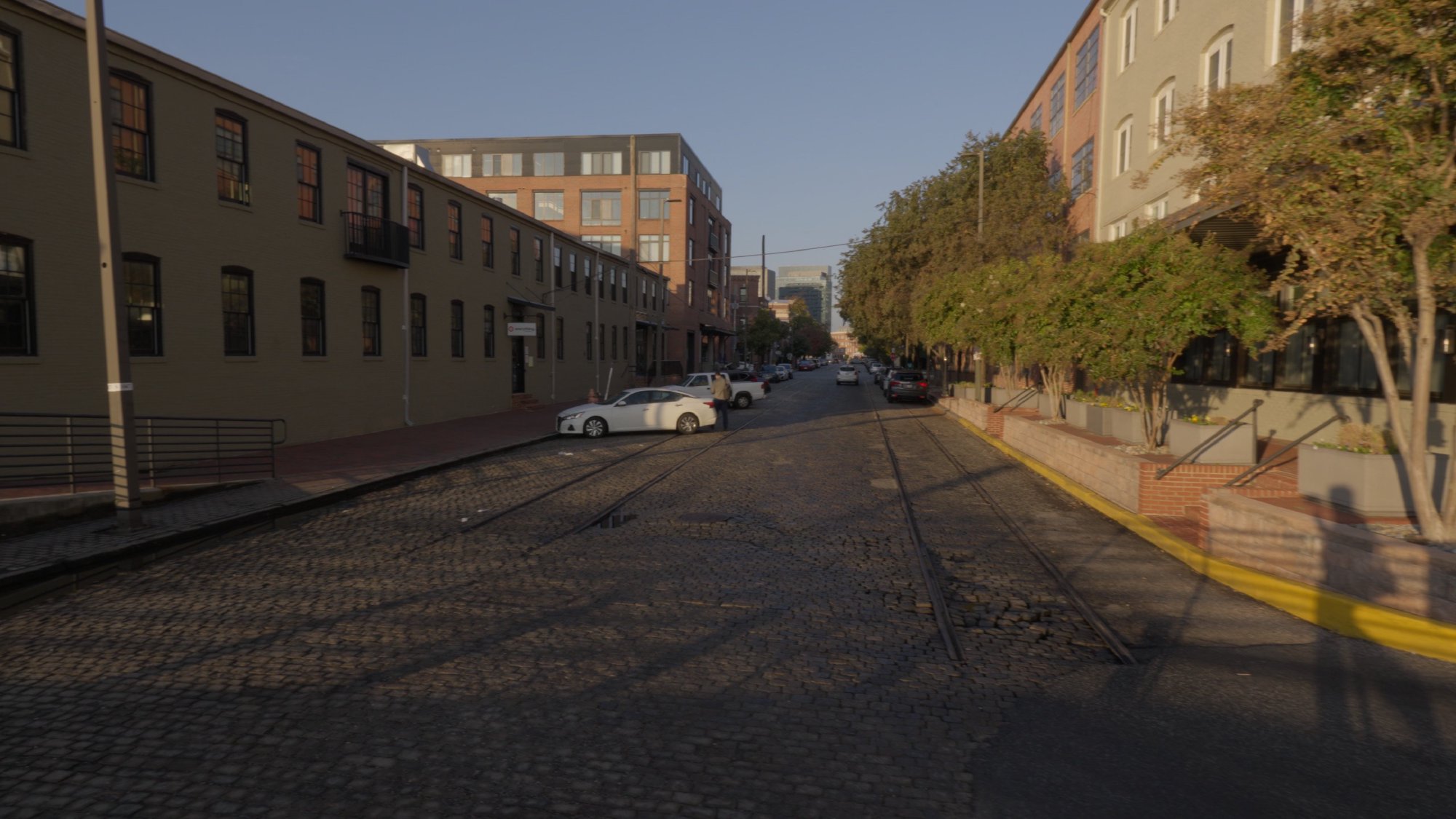
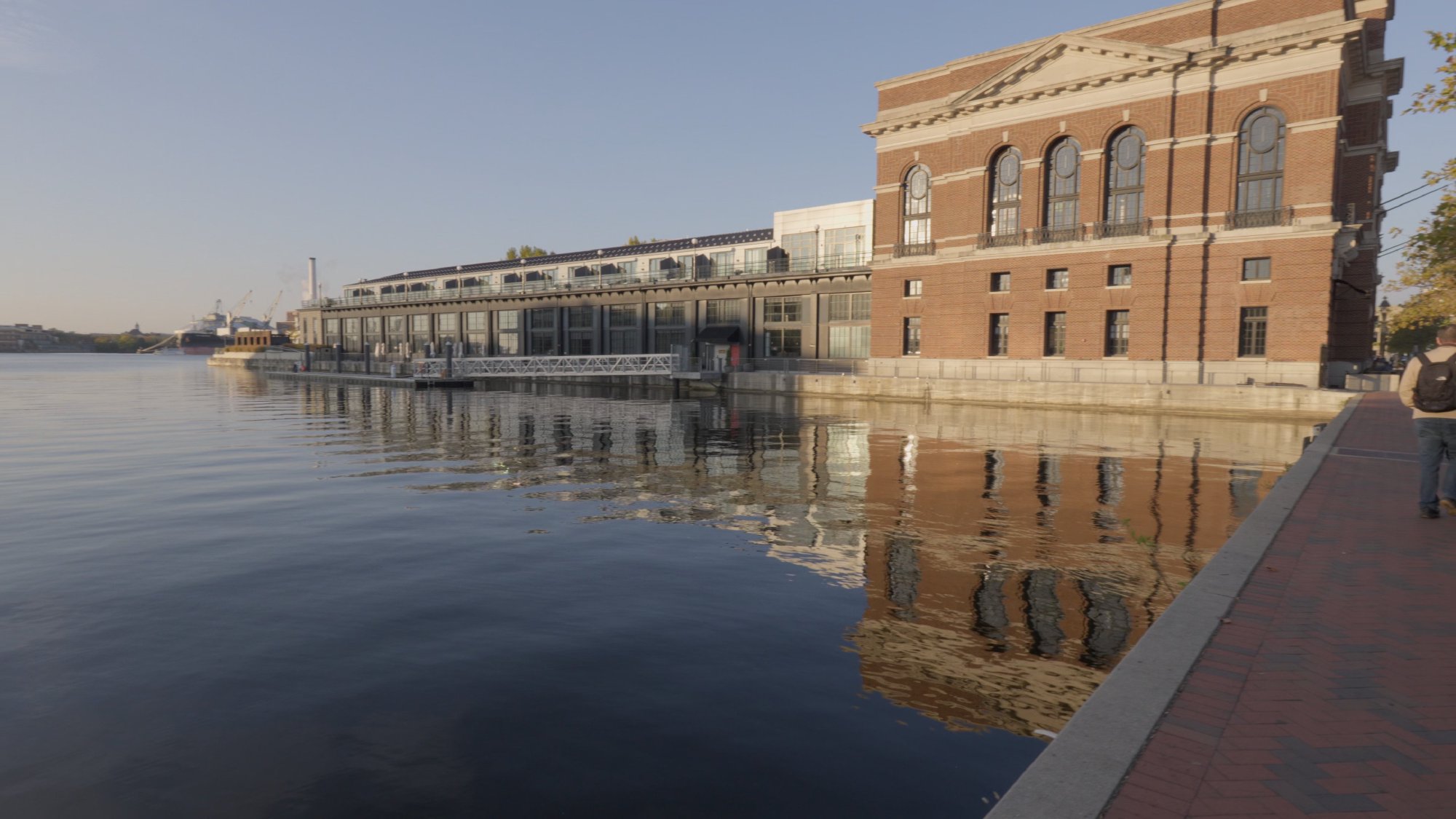
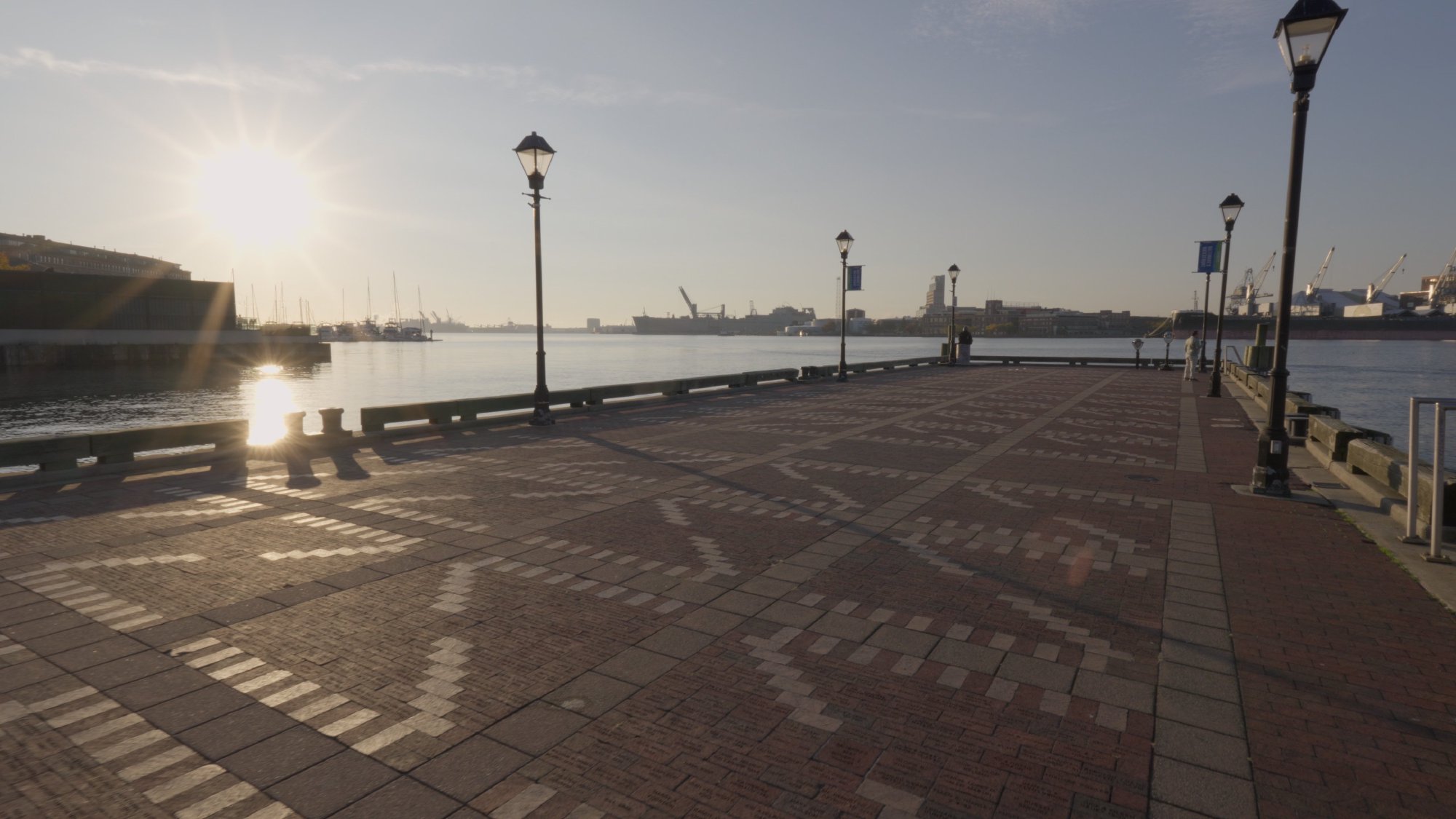
From there the path stays by the water in front of the Anchorage townhouses and the marinas on the way into Fells Point, including a stretch of wooden boardwalk at Thames Point Marina. At Thames Street Park, it joins the Belgian block of Thames Street for a few blocks, then returns to the water’s edge past the Recreation Pier. The walk ends at Broadway Pier, at the foot of Broadway.
The walk is about 1.7 miles one way. Turning around at Broadway Pier makes a round trip of about 3.4 miles.
The Canton Railroad Transfer Bridge#
The steel transfer bridge was built in the 1910s for the Philadelphia, Baltimore and Washington Railroad. It stands 38 feet high. Railroad cars were rolled across it onto a carfloat and floated across the harbor to Locust Point, where the cargo was unloaded. Because the tide raised and lowered the barges, they couldn’t pull up directly to a fixed pier, and the bridge worked as an adjustable gangplank between the tracks on shore and the tracks on the barge.
The railyard and cargo pier it served were replaced by Canton Waterfront Park in 1990. In 2023, the bridge was designated a Baltimore City Landmark.
Canton#
For several hundred years before European contact, the land that is now Canton was likely within the sphere of the ancestors of today’s Piscataway peoples, who used the area below the Fall Line for fishing and farming. When John Smith explored the Chesapeake in 1608, he reported the area uninhabited, probably because of recent conflict with the Massawomeck people from the north. In 1652, the Susquehannocks were forced to cede their control of the land between the Patuxent and Susquehanna rivers, including what is now Baltimore. Canton’s western edge took shape in 1782, when Baltimore annexed the land west of Harris Creek.
In 1785, John O’Donnell, an Irish merchant, settled in Baltimore after arriving on the ship Pallas from Calcutta and the Chinese port of Guangzhou, then known in English as Canton. He named the plantation he bought in the area Canton after the port where he imported his goods from. O’Donnell was a slave owner, and when he died in 1805, the inventory of his estate listed 48 enslaved people, including several infants. His statue in the neighborhood was removed in 2021 after a campaign by neighborhood groups.
In 1828, the Canton Company bought about 3,000 acres of the O’Donnell estate and leased the waterfront to breweries, canneries, shipbuilders, and other industries. Tindeco Wharf was the Tin Decorating Company’s factory, which made printed tins, many of them for the American Tobacco Company. It’s now apartments. New housing and marinas have been built along the waterfront since the Anchorage townhouses in 1984.
Fells Point#
Fells Point is named for William Fell, an English shipbuilder who, attracted by its deep water, settled on the point in the 1700s. Around 1763, his son Edward Fell laid out streets and began selling lots. Its shipyards became best known for fast topsail schooners, sometimes called Baltimore clippers, and during the War of 1812 they built and supported dozens of privateers that preyed on British shipping.
In 1835, Frederick Douglass, while enslaved, was hired out to the shipbuilder John A. Robb as a caulker at a Fells Point shipyard. Years earlier, the first time he was sent to Baltimore, Fells Point was where he taught himself to read and write. In his autobiography, he recounts copying the letters the shipyard workers used to label boards and “making friends of all the little white boys whom I met in the street. As many of these as I could, I converted into teachers.”
In the 1960s, planners proposed building a raised expressway along the harbor shore that would have cut through Fells Point and Canton. Residents, including future senator Barbara Mikulski, fought the plan, and in 1969 Fells Point was listed on the National Register of Historic Places as a historic district, which kept federal money from being used for the road.
Good to know#
- Canton Waterfront Park, at 3001 Boston Street, has free parking, a boat ramp, and a fishing pier where no license is required. It’s also a Baltimore Water Taxi stop.
- The surface is mostly pavers, with a short wooden boardwalk and brick sidewalks along Thames Street and Broadway.
- Cyclists share the promenade.